
Why You Still Feel Tired, Bloated and Not Like Yourself After 40
By: Natalie Mallia, RHN
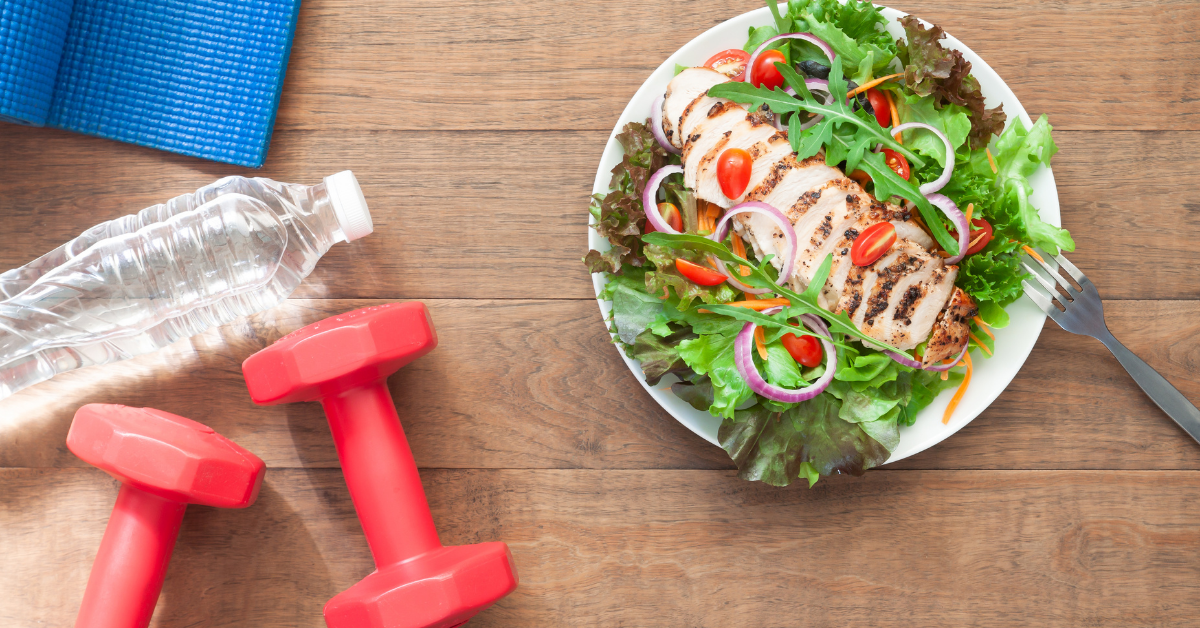
You're eating pretty well. You're trying to stay active. You're taking your supplements and making an effort to take care of yourself.
So why are you still tired, bloated, foggy, uncomfortable in your body, or just not feeling like yourself?
And perhaps even more frustrating, why do the things that used to work for you seem to be making less of a difference?
If you're a woman in your 40s or 50s asking these questions, there are a few things worth looking at.
Why Does Everything Feel Different After 40?
For many women, their 40s and 50s bring changes they weren't necessarily expecting.
Sleep may become less predictable. Stress can feel harder to manage. Energy levels fluctuate. Digestion may change. And the routines that once seemed to work effortlessly don't always deliver the same results.
Hormonal changes during perimenopause can play a role, particularly when it comes to sleep, temperature regulation and changes in how you feel day to day.
But hormones aren't the whole story.
Years of poor sleep, ongoing stress, inconsistent meals, changes in activity and limited recovery can all contribute to how you feel.
And sometimes symptoms such as persistent fatigue or bloating have medical causes that need to be investigated.
The important thing is that these symptoms don't automatically mean you need to eat less, exercise harder or add another supplement.
Before deciding what to change, it's worth taking a closer look at what's actually happening.
Here are three places I'd start.
1. Look Beyond Food and Exercise
When you're trying to improve your health, food and exercise are often the first things you focus on.
And for good reason. Both play an important role in how you feel.
But they're only part of the picture.
You can eat nutritious meals and exercise regularly while still struggling with poor sleep, ongoing stress or inadequate recovery.
For women in their 40s and 50s, hormonal changes may also be affecting sleep, energy and overall wellbeing.
Think about it.
You might be eating well and going for your daily walk, but if you're consistently sleeping five or six hours a night, it's worth considering how that lack of sleep may be affecting your energy.
Or perhaps your schedule is so packed that even when you're doing all the healthy things, you're barely finding a moment to rest.
The takeaway: Your health is influenced by much more than what you eat and how much you move.
Before changing your diet or exercise routine again, consider what else might be contributing to how you're feeling.
2. Look at What Your Body Is Actually Getting
There's a difference between making healthy choices and consistently giving your body what it needs.
And this is where things can get interesting.
You might eat nutritious foods, but are you eating enough throughout the day?
You might exercise regularly, but are you giving yourself enough time to recover?
You might have a great evening routine planned, but are you actually getting enough sleep?
For example, let's say you start your day with a healthy breakfast, get busy at work and end up grabbing something small for lunch.
By late afternoon, you're exhausted, hungry and reaching for anything that will give you a quick boost.
It would be easy to assume you need more discipline around afternoon snacking.
But perhaps the more useful question is whether you've been eating enough earlier in the day.
The same applies to movement and recovery.
Exercise is good for us, but consistently pushing through fatigue without adequate rest may leave you feeling worse rather than better.
The takeaway: Healthy habits aren't just about what you're doing. They're also about whether those habits are giving your body enough nourishment, sleep and recovery.
And no, you don't need to get every single thing right every day.
We're looking for patterns, not perfection.
3. Stop Following a Plan That No Longer Fits
This one is especially important.
What worked for you at 30 may not be the best approach for you at 45 or 55.
Your body may be changing.
Your sleep, schedule, responsibilities and recovery needs may be different.
And if you're experiencing perimenopausal changes, that can add another layer to the picture.
Yet so many women keep trying to follow the same routines and rules they've relied on for years.
When those strategies stop feeling effective, the instinct is often to try harder.
Be stricter.
Eat less.
Exercise more.
Start over.
But what if the answer isn't more effort?
What if your approach simply needs to change?
Maybe the intense workout schedule you once enjoyed isn't working with your current sleep and recovery.
Maybe your meal plan is too complicated for the life you're living right now.
Maybe you've been so focused on your weight that you've overlooked how tired and depleted you've been feeling.
Instead of asking what else you should be doing, start asking what would actually support you right now.
The takeaway: Your body has changed. Your plan should too.
So Where Do You Start?
Before you add another supplement, cut out another food, or commit to another health plan, try this:
For the next few days, pay attention to when you feel your worst.
Is it first thing in the morning? Mid-afternoon? After meals? At the end of a busy day?
And what was happening before you started feeling that way?
You don't need to track everything or figure it all out right now. Just start paying attention.
Sometimes a little information can help you figure out what deserves a closer look.
Start there. Not with another overhaul.
And remember, persistent, unexplained or worsening symptoms deserve a conversation with your healthcare provider. Not everything can be explained by lifestyle or hormonal changes.
Want to Explore This a Little Further?
Join me inside my Women's Health After 40 | Nutrition • Lifestyle • Wellbeing Facebook group, where I'm sharing a video on this very topic, along with a simple check-in to help you figure out what might need your attention first.
I'd love to have you join us! 💗
Natalie Mallia, RHN
