
Why Do I Crave Sugar After Dinner? 3 Possible Reasons (That Aren't Just Willpower)
By: Natalie Mallia, RHN
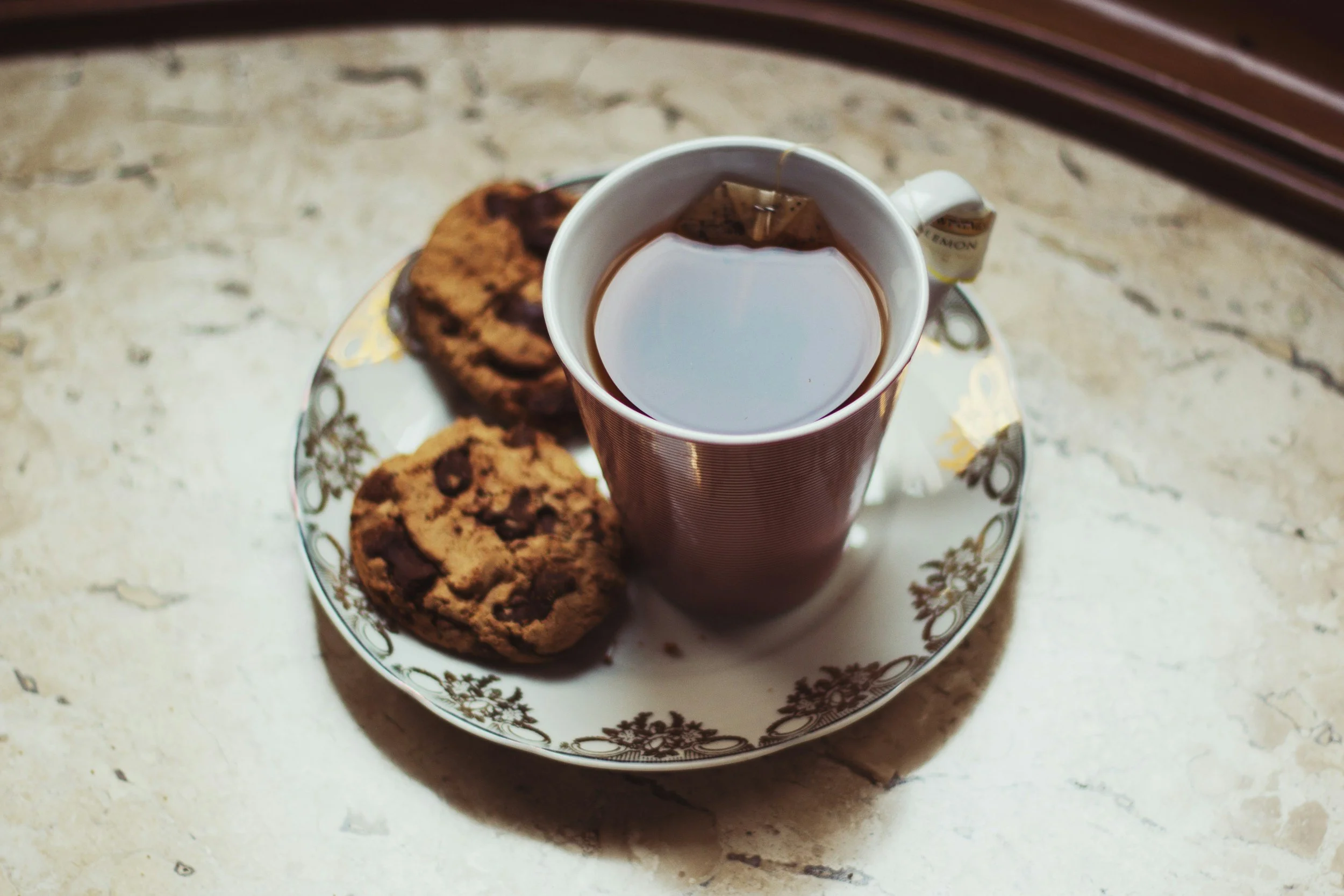
Dinner is finished. You're settled on the couch. You're not even sure you're hungry.
And then: chocolate.
Or cookies. Or a little something from the pantry that suddenly sounds far more interesting than anything you ate at dinner.
If wanting something sweet after dinner has become a familiar part of your evenings, you may have wondered why it keeps happening. Sometimes the answer is straightforward: you enjoy dessert. And that's perfectly okay.
But if you're frustrated by an automatic craving or don't understand why it's so persistent, there are several things worth considering. For women in their 40s and 50s juggling work, family, and shifting routines, evenings can be the first time the whole day catches up with them.
Here are three distinct possibilities to explore—without assuming that every craving is a problem or evidence of poor willpower.
1. You Ate Dinner, But the Day May Not Have Been Satisfying Enough
Eating dinner doesn't tell the whole story of what you've eaten throughout the day.
Perhaps breakfast was rushed, lunch was small, or you went a long stretch without food because there was simply too much happening. Even if dinner looked balanced, you may still be hungry later on.
And physical fullness isn't the same as feeling satisfied. Enjoyment matters as well. If the food you ate left you wanting something else, that experience is worth paying attention to rather than automatically dismissing.
It's reasonable to respond to hunger with food. You don't have to earn an evening snack, and eating something sweet isn't a nutritional failure.
2. Your Evening Has a Familiar Food Cue
Think about what happens immediately before the craving. Does it arrive when you sit down to watch television, finish tidying the kitchen or finally put your feet up?
Certain moments become linked with certain actions. Maybe you've paired your favourite show with a little chocolate for years. Habits can be remarkably efficient: the cue happens, and the urge follows.
That doesn't automatically make the routine unhealthy. A dessert you look forward to and enjoy may be a lovely part of your evening.
If the eating feels automatic rather than enjoyable, though, recognizing the cue gives you more freedom to choose how you respond. The question isn't whether you're “allowed” to eat it. It's whether that's what you actually want in that moment.
3. Something Sweet May Be Part of How You Unwind
By the time evening arrives, you may have been making decisions, solving problems, meeting other people's needs and crossing tasks off a list for hours.
Food can offer pleasure, comfort and a small sense of reward. Stress, fatigue and emotion may also influence what we want to eat. That doesn't mean emotional eating should automatically be treated as a problem. Enjoying food for more than fuel is part of being human.
But if you're eating and still feeling restless, it may be worth considering whether the sweet treat is only part of what you're looking for. Perhaps you're also craving quiet, a break, a chance to connect or a little time that belongs entirely to you.
You can choose dessert and take a break. There is no requirement to replace a treat with a glass of water or a walk.
One Simple Thing to Try Tonight
When the familiar after-dinner craving shows up, give yourself thirty seconds to ask:
Is this mostly hunger or low satisfaction, a familiar cue, or a desire for comfort or reward?
You might not know, and several answers may fit. That's fine. Choose one response that suits the situation, then notice how it feels. You can eat dessert, have a more filling snack,
